
We’ll evaluate your current exposure and identify where better tools and execution can tighten your margins.
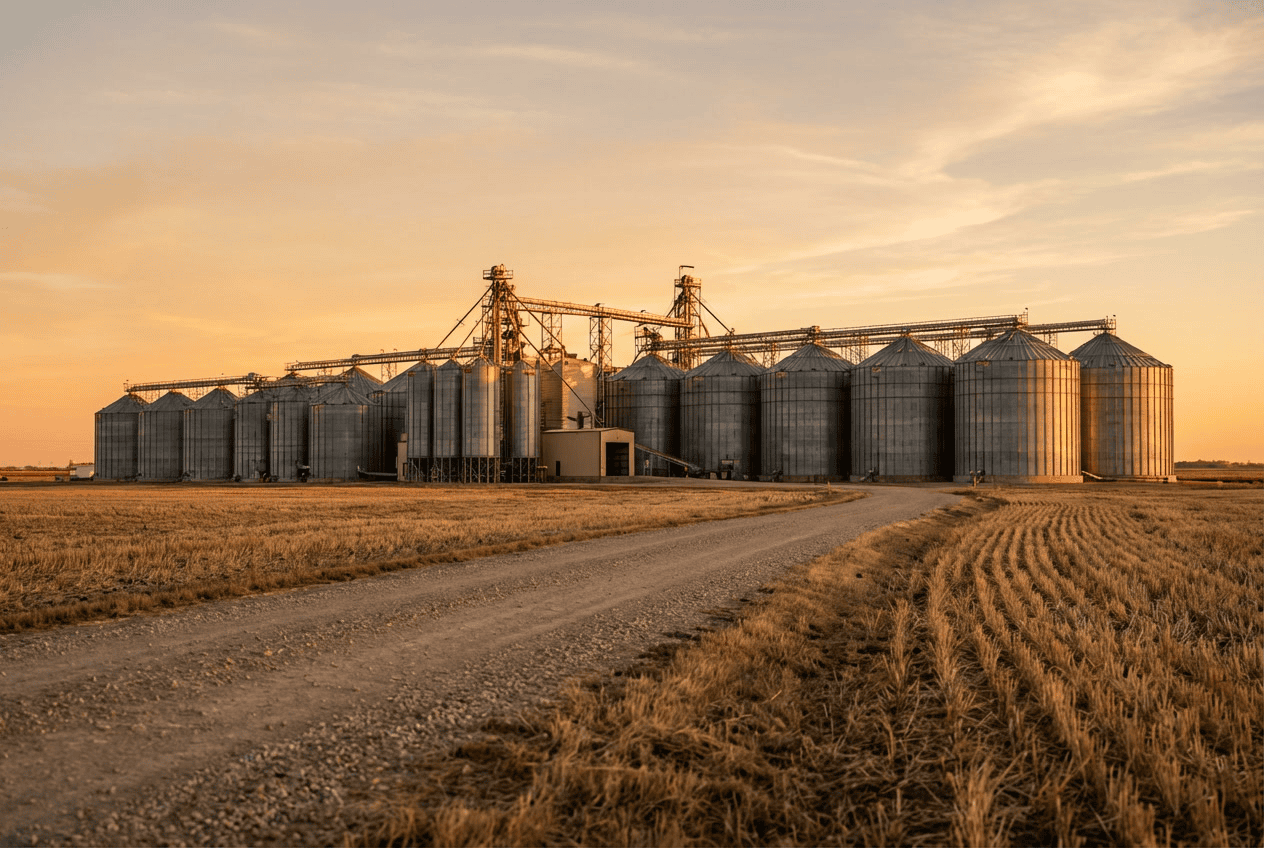
COMMERCIAL HEDGERS
Enterprise Risk Doesn't Fit in a Spreadsheet
Multi-commodity hedging, margin optimization, and institutional-grade execution for ethanol plants, feed manufacturers, processors, and agribusiness operations that can't afford unmanaged exposure.
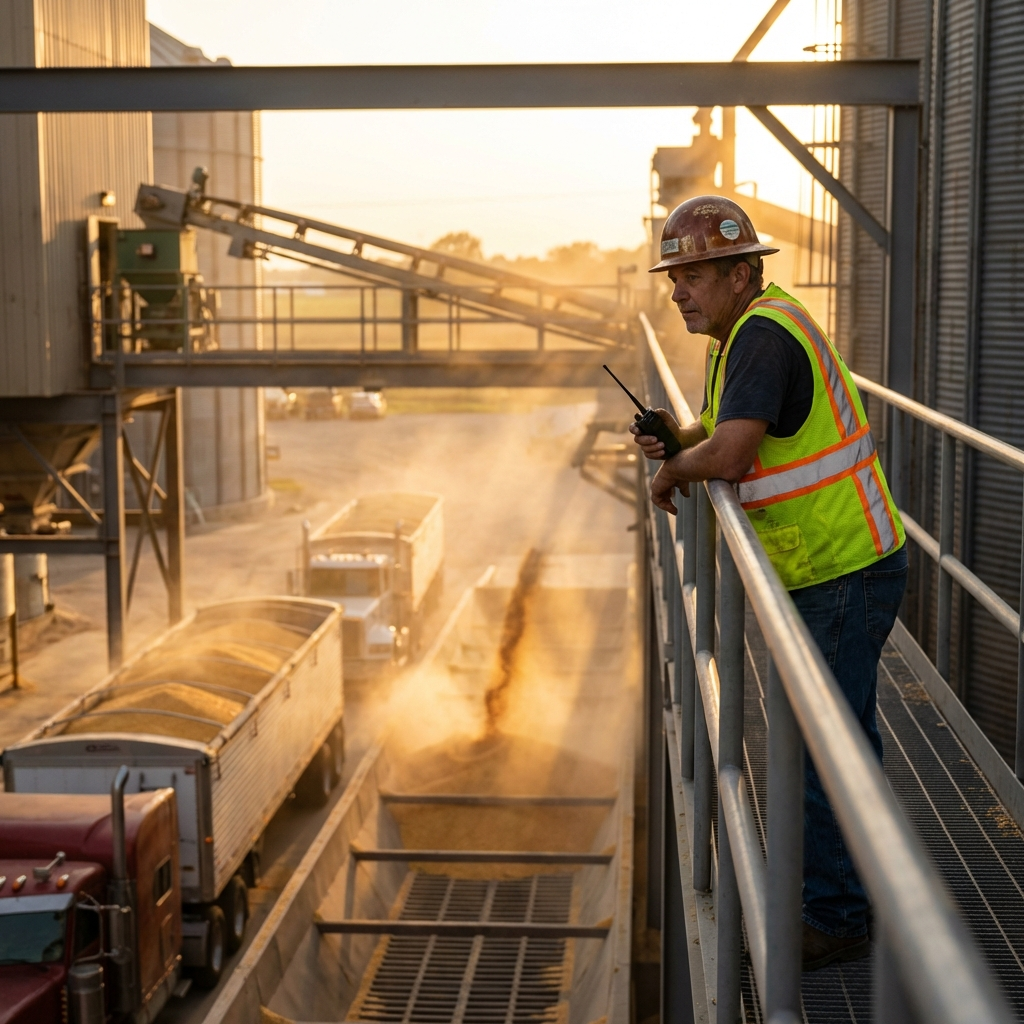
When Your Inputs and Outputs Are Both Moving, Everything Is Exposure
An ethanol plant buying corn and selling DDGs and ethanol. A feed manufacturer sourcing soybean meal while quoting fixed-price contracts to livestock operations. A crusher managing the spread between beans, oil, and meal. Your risk isn’t one-dimensional — it’s a matrix of correlated positions that shift every session.
The problem isn’t that hedging tools don’t exist. In our experience some brokerages may treat commercial accounts like oversized versions of individual producers. You get the same platform, the same reporting, and the same broker — just with bigger position limits. That doesn’t work when your CFO needs P&L attribution by commodity, your risk manager needs real-time exposure reporting, and your procurement team needs to execute across multiple markets simultaneously.
Challenges We Solve
The Exposure Your Current Setup Isn't Covering
Commercial operations lose margin in the gaps — between what their hedging program covers and what actually happens in the market



Your Hedging Program Deserves a Brokerage That Matches It
Let's talk about what a commercial-grade partnership looks like — from execution and reporting to analytics and dedicated support
Brokerage Services
Agricultural Expertise at Institutional Scale
There’s a gap in the market. Institutional brokers understand scale but don’t understand agriculture. Agricultural brokers understand the commodities but can’t handle the complexity of a multi-commodity hedging program with real reporting requirements.
We sit in that gap. Our team comes from agricultural markets — we understand crush margins, ethanol economics, feed cost structures, and seasonal procurement cycles. But we also understand what a CFO expects from a brokerage relationship: clean reporting, transparent execution, regulatory compliance, and a team that responds like your business depends on it. Because it does.
LATEST ARTICLES
Check out the latest industry articles
Corn Fund Liquidation Accelerates After October WASDE
Corn Fund Liquidation Accelerates After October WASDE
Corn Managed Money Net Long Falls Before October WASDE
Corn Managed Money Net Long Falls Before October WASDE
October WASDE Actual vs. Estimates: Full Scorecard
October WASDE Actual vs. Estimates: Full Scorecard
October WASDE: Corn Carryout Jumps to 1.849 Billion Bushels
October WASDE: Corn Carryout Jumps to 1.849 Billion Bushels
Grain & Livestock COT Report — Oct 5, 2026 · COT positioning as of Tuesday, Sep 29, 2026
Grain & Livestock COT Report — Oct 5, 2026 · COT positioning as of Tuesday, Sep 29, 2026
FAQs
Common questions from commercial operations about enterprise hedging, brokerage capabilities, and working with AgOptimus.
We serve ethanol and biofuel plants, feed manufacturers, soybean crushers and oilseed processors, flour mills, food-grade ingredient suppliers, cooperatives, and other agribusiness operations with ongoing commodity exposure. If your business buys or sells agricultural commodities as part of its core operations, we’re built for you.
Yes — that’s our strength with commercial accounts. We support hedging across grains, oilseeds, livestock, energy, and softs. For operations managing correlated exposure — like an ethanol plant hedging corn inputs, natural gas costs, and ethanol output simultaneously — we help build integrated strategies that account for cross-commodity relationships rather than hedging each product in isolation.
We provide real-time position reporting, daily mark-to-market statements, and periodic hedge performance summaries. For operations that need board-level reporting, we can structure reports around P&L attribution by commodity, hedge effectiveness metrics, and exposure analysis. Our goal is to give your finance and risk teams the data they need without requiring manual reconciliation.
Institutional brokers are built for financial markets — metals, energy indices, interest rates. They understand scale but not agriculture. We bring institutional-grade execution and reporting combined with deep agricultural market expertise. When your broker understands crush economics, ethanol blending margins, and seasonal procurement cycles, the quality of the conversation — and the hedging strategy — is fundamentally different.
We start with a risk review — understanding your physical positions, your current hedging program, and where the gaps are. From there, we handle account setup and any position transfers from your existing broker. We also onboard your team onto our platform and analytics tools. Most commercial accounts are fully operational within one to two weeks, with no disruption to existing hedges.