This article is the opinion of Ag Optimus.
(TL;DR)
- DOJ investigating major meatpackers for potential price fixing and market manipulation amid record beef prices.
- Ranchers are hopeful for greater market fairness and better cattle prices as a result of renewed regulatory scrutiny.
- Previous investigations led mostly to fines, not structural change, so ranchers want lasting reforms.
- Agoptimus offers compliant hedging and risk management strategies to help ranchers manage volatility.
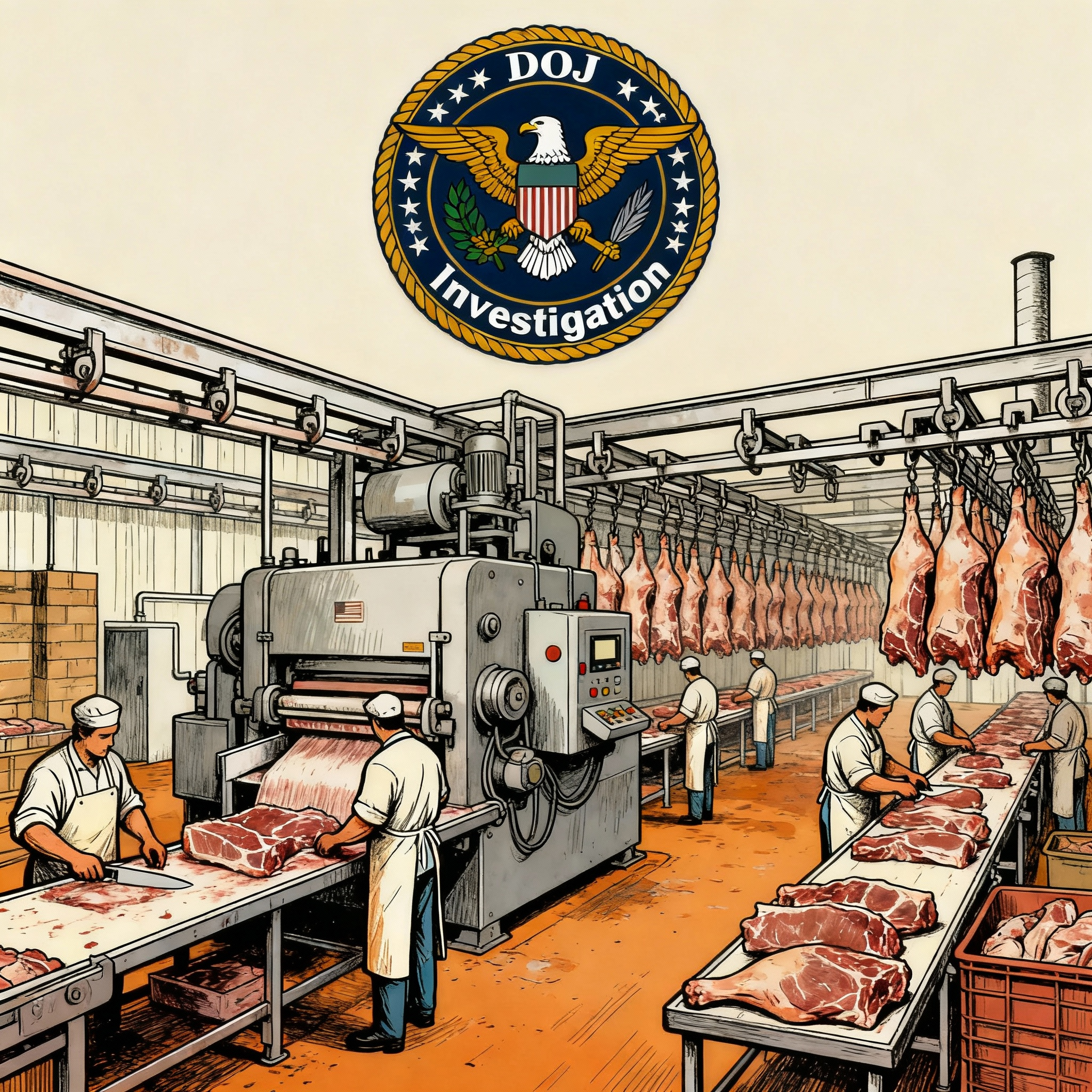
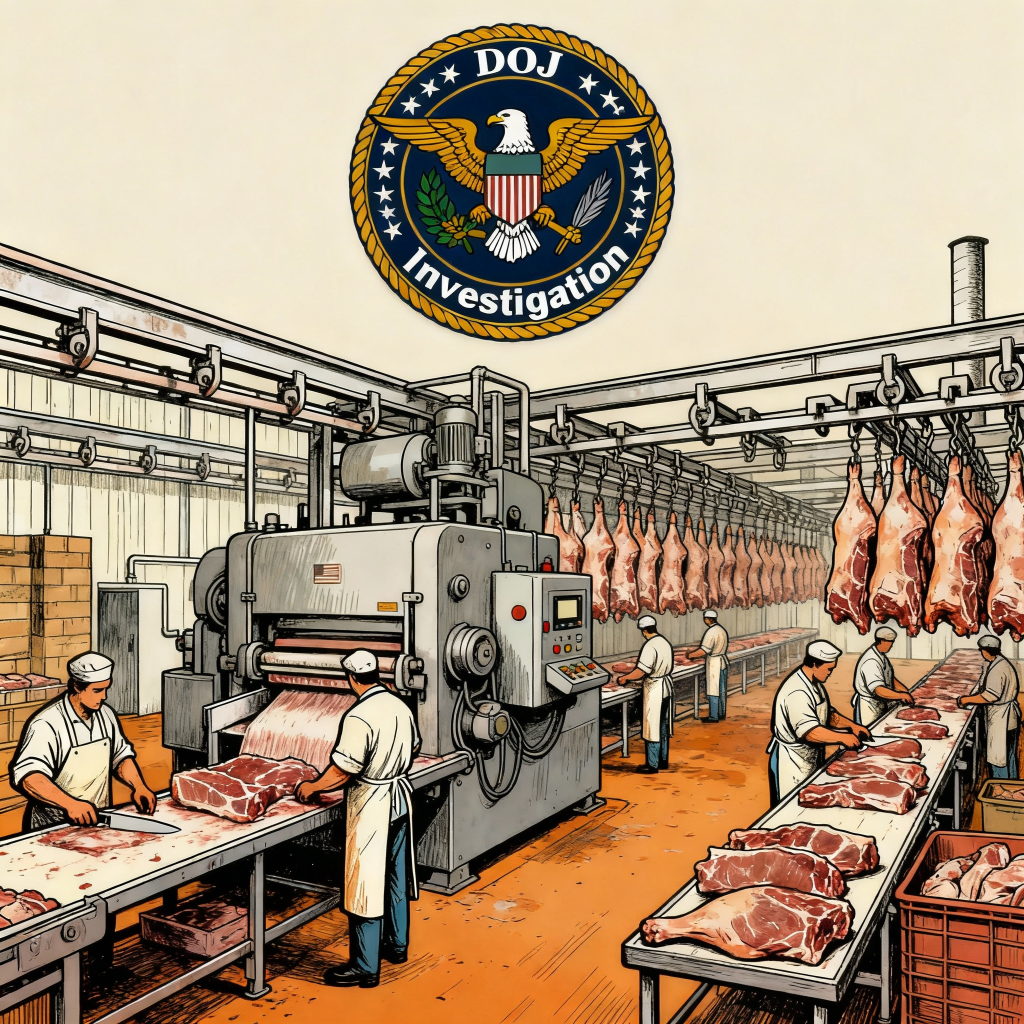
Beef prices at the grocery store have reached historic highs, with U.S. ranchers facing frustration, skepticism, and economic hardship. But with the latest announcement from President Donald Trump ordering the Department of Justice (DOJ) to investigate the largest meatpacking companies for potential price fixing and manipulation, the cattle industry is at a pivotal juncture. This move rekindles hope among independent ranchers seeking transparency, fair competition, and policy reform in an industry long dominated by powerful, often foreign-owned corporations.
Beef Price Crisis: What Ranchers Need to Know
In late 2025, beef prices surged to record levels, averaging over $6 per pound for ground beef—the highest seen in decades. Meanwhile, prices paid to cattle ranchers tumbled, further squeezing producer margins and stoking accusations that major meatpackers were manipulating the market. Ranchers nationwide voiced concerns about the widening spread between live cattle prices and the cost of boxed beef.
Despite assurances from the packing industry that supply constraints, droughts, and elevated feed costs were to blame, many ranchers have questioned the fairness and transparency of the price discovery process. With Tyson, Cargill, JBS, and National Beef controlling roughly 80% of beef processing capacity, suspicions of anti-competitive practices have persisted, sparking advocacy for government intervention and market reform.
Historical Context: The 2020 DOJ Meatpacking Investigation
To understand the significance of today’s developments, it’s vital to recall the DOJ’s lengthy 2020 investigation. Prompted by post-pandemic volatility, complaints of packer collusion, and shrinking cattle herds, regulators subpoenaed the “Big Four” packers as ranchers demanded answers.
After nearly three years, the probe resulted mainly in multimillion-dollar fines and settlements—such as JBS’s recent $83 million payment in 2025—without transformative structural change. Market concentration remained high, producer grievances persisted, and many considered the penalties just another “cost of doing business” for the big players. Some transparency was achieved, but fundamental reform remained elusive.
The 2025 Investigation: A New Chapter
Against the backdrop of ongoing price challenges and renewed political focus, President Trump’s direct order to the DOJ signifies a new chapter in the fight for fair cattle markets. In his public statements, Trump accused “majority foreign-owned meat packers” of artificially inflating beef prices and jeopardizing the nation’s food security, pledging full support for American ranchers who have unfairly shouldered the blame.
Attorney General Pam Bondi quickly confirmed that the DOJ’s antitrust division, in coordination with the Department of Agriculture, has launched a formal inquiry. While Trump did not name specific targets, industry sources point directly to the market-dominating “Big Four” and their outsized influence on pricing.
Why This Matters: Rancher Hopes and Industry Impact
For cattle producers, this renewed DOJ action rekindles optimism. Ranchers have long implored regulators to address problems stemming from packer consolidation, opaque contracts, and a lack of competitive bidding. With the 2025 probe under way, several key opportunities arise:
- Restoring Competitive Pricing: By scrutinizing packer conduct, the DOJ can potentially expose and penalize collusion, price fixing, and anti-competitive practices that depress cattle prices and inflate consumer costs.
- Leveling the Playing Field: If the government follows through with stronger antitrust measures—not just fines—ranchers may see more transparent markets, better negotiating power, and fairer earnings for their herds.
- Supporting Rural America: High beef prices hurt rural economies, where ranching families depend on fair returns. Policy action can help local communities thrive, rather than be squeezed out by distant corporate monopolies.
- Long-Term Market Reform: The spotlight is once again on industry structure, opening the door to lasting reforms around contract disclosures, price reporting, and competition rules, so small and mid-size producers have a fighting chance.
Challenges and Skepticism: Lessons from 2020
While the DOJ’s messaging sounds promising, ranchers would be wise to temper enthusiasm with caution. History tells us that investigations are slow, resistant to deep change, and may be swayed by political forces.
- Fines but Few Reforms: The 2020 probe set a precedent—fines issued, but little altered. The Packers absorbed penalties while retaining pricing power.
- Political Divisions: Internal battles in Congress and between major beef states have sometimes redirected regulatory energy away from structural solutions to short-term fixes.
- Industry Pushback: The Meat Institute and major packers insist that market pressures, not manipulation, are behind price spreads, citing drought, supply, and operational costs. Some cattle organizations also worry that government intervention—like Trump’s push to import Argentine beef—risks undermining domestic producers.
Despite these obstacles, ranchers remain united in calling for accountability. Rancher voices have reached the highest levels of government, with recent cabinet meetings incorporating direct testimony on the urgent need to restore industry confidence and rebuild herds.
Implications: What Ranchers Should Watch For
As the DOJ investigation unfolds, ranchers should focus on:
- Transparency in Cattle Pricing: Calls for clearer, open-market price discovery may gain traction, offering hope of more predictable, fair contract negotiations.
- Antitrust Enforcement: Stronger enforcement of competition laws could mean not just fines, but actual breaking up of market power, restoring balance between packers and producers.
- Legislative Action: Bipartisan support is growing for new laws to address agricultural monopoly power, with rancher advocacy making headlines and shaping policy debates.
- Market Volatility and Opportunity: Short-term uncertainty could lead to wild swings in both cattle futures and spot prices. Savvy ranchers can use this volatility to their advantage—by managing risk, negotiating contracts strategically, and engaging with industry groups driving change. (There is a substantial risk of loss in futures trading. Past performance is not indicative of future results.
Partner with Agoptimus to navigate beef market volatility. Receive objective, transparent hedging solutions and market insights to help protect your cattle profits and manage risk—no predictions or guarantees, just sound strategies designed for your business needs. Toll Free: (800) 944-3850
Our cattle feeder and Broker Nate Says “:Running a feedlot is like hosting a family reunion—everyone eats a lot, nobody wants to leave, and there’s always that one “STEER” who thinks he’s in charge!
Phone: (712) 545-0182
www.agoptimus.com
Encouragement and Action Steps for Ranchers
This is a moment of opportunity and action for U.S. ranchers. Here’s how to engage and secure a brighter future:
- Stay Informed: Track DOJ developments, livestock market trends, and legislative proposals. Knowledge is power.
- Advocate Together: Join forces with local association chapters and national groups to amplify the rancher voice in regulatory and policy forums.
- Educate Policymakers: Share stories and data on the impacts of packer concentration, urging lawmakers to push past “symbolic” action toward real change.
- Use Market Tools: Employ hedging strategies, contract negotiation, and transparent market data to manage risk amid price swings.
- Build Community: Support neighbors, mentor young producers, and invest in local economies to preserve ranching as a viable profession for generations.
Forward-Looking Vision: Ranchers Building a Fair Marketplace
In summary, the DOJ’s new investigation, initiated at the president’s behest and supported by rancher advocacy, is a refreshing signal that the government is listening. But this moment demands vigilance, unity, and persistent engagement to ensure lasting reforms—not just headline-grabbing fines. By learning from the 2020 precedent, pushing for bolder antitrust enforcement, and leveraging public attention, American ranchers can steer the industry toward greater fairness, transparency, and prosperity.
Let ranchers take heart: their concerns are resonating, their voices matter, and the fight for competitive, honest beef markets continues with renewed urgency. The outcome depends not just on DOJ diligence, but on rancher leadership and the community standing together for a future where every producer can thrive.
FAQ (Frequently Asked Questions): DOJ Meatpacking Investigation and Beef Market News
Q: What triggered the DOJ investigation into meatpackers?
A: Surging beef prices and allegations of price fixing prompted President Trump to order a DOJ probe into major meatpacking firms.
Q: Which companies are being investigated?
A: The “Big Four” packers—JBS, Tyson Foods, Cargill, and National Beef—are expected to be the primary focus due to their market dominance.
Q: How does this affect cattle ranchers?
A: Ranchers hope for fairer pricing, improved transparency, and better market opportunities after years of being squeezed between low cattle prices and high consumer beef costs.
Q: Has this happened before?
A: Yes. A similar DOJ investigation in 2020 led mostly to fines for packers but did not result in structural industry reforms.
Q: Will beef prices drop because of the investigation?
A: Immediate price effects are uncertain. Lasting decreases depend on enforcement, policy decisions, and whether industry reforms are implemented.
Q: How can ranchers protect themselves right now?
A: Working with knowledgeable brokers like Agoptimus to build effective hedging and risk management strategies is recommended for navigating market volatility.
Q: What should market participants watch for next?
A: Keep an eye on DOJ findings, any proposed legislation on antitrust or transparency, and changes in packer contracting practices.
Sources:
Here are links to primary sources referenced in generating the content:
- NBC News: Trump accuses meatpackers of price-fixing as DOJ launches investigation
https://www.nbcnews.com/news/us-news/trump-accuses-meatpackers-price-fixing-doj-launches-investigation - DTN Progressive Farmer: Trump Orders DOJ to Investigate the Beef Meatpacking Industry
https://www.dtnpf.com/agriculture/web/ag/news/business-inputs/article/2025/11/06/trump-orders-doj-investigate-beef - Yahoo Finance: Trump Orders DOJ to Probe Meatpackers as Beef Prices Soar
https://finance.yahoo.com/news/trump-orders-doj-probe-meatpackers-beef-prices-soar-2025-11-07 - NTD: DOJ Launches Probe of Major Meatpackers Over Alleged Beef Price
https://www.ntd.com/doj-launches-probe-of-major-meatpackers-over-alleged-beef-price_981976.html - The Fence Post: Trump calls for DOJ investigation into meatpackers
https://www.thefencepost.com/news/trump-calls-for-doj-investigation-into-meatpackers/ - Fox Business: Trump orders DOJ to investigate meatpacking companies for ‘illicit’ price-fixing
https://www.foxbusiness.com/economy/trump-orders-doj-investigate-meatpacking-companies-illicit-price-fixing - Wiki.com: DOJ investigating meat packers over beef prices, AG says
https://www.wiky.com/news/doj-investigating-meat-packers-over-beef-prices-ag-says-20251106 - Prosperous America: Beef Prices: Blame the Packers, Not America’s Ranchers
https://prosperousamerica.org/beef-prices-blame-the-packers-not-americas-ranchers/ - Brownfield Ag News: President Trump calls on DOJ to investigate the meatpacking industry
https://brownfieldagnews.com/news/president-trump-calls-on-doj-to-investigate-the-meatpacking-industry/ - Drovers: Trump Asks DOJ to Investigate Meatpackers over Beef Prices
https://www.drovers.com/news/markets/trump-asks-doj-investigate-meatpackers-over-beef-prices - MLex: Farm Action says US DOJ investigation into meat packers is critical
https://www.mlex.com/Content.aspx?ID=1374138