TL;DR:
- The USDA is rolling out multi-year plans (2025–2026) to stabilize beef production and mitigate market fluctuations.
- Federal lands will open to more grazing and benefit from faster approval processes.
- Improved disaster relief and insurance options will help protect ranchers from losses.
- New “Product of USA” labeling will begin in January 2026 to promote transparency.
- Investments in local meat processing and new grading technology aim to boost efficiency.
- Updated water regulations will cut red tape and costs for processors.
- Feed and grain prices can be volatile, making hedging a crucial strategy
- Interest rates, fuel prices, and global trade continue to shape the overall market environment.
The futures markets continue to shift as policy, supply, and global demand evolve. From beef to grain to energy, market participants are adapting to new USDA initiatives and changing production realities. Here’s what traders, ranchers, and hedgers should know right now—and what they can do about it.
The Beef Market: A Rebuilding Phase Begins
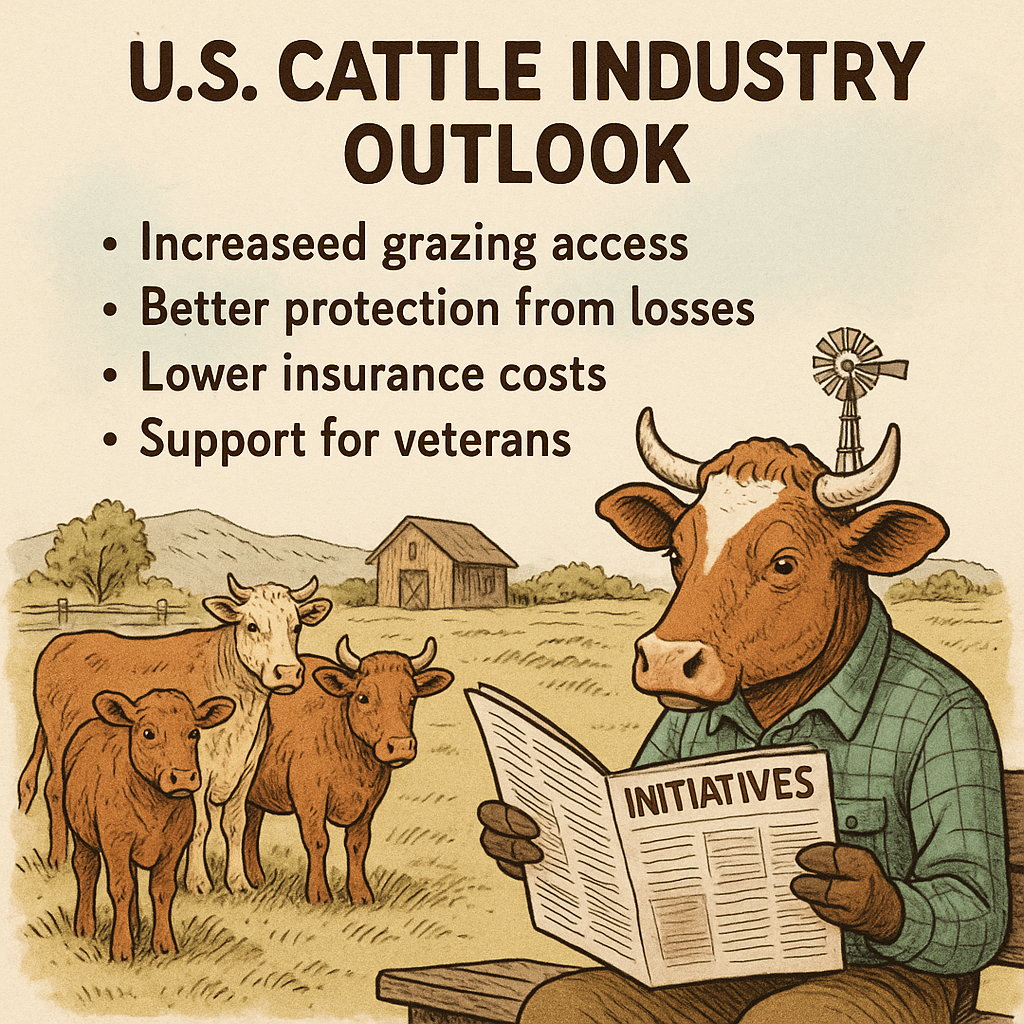
The U.S. cattle industry is facing its smallest national herd in 75 years, and thousands of ranches have closed since 2017. Meanwhile, beef demand has increased by almost 10% over the last decade. To balance supply and demand, the USDA plans to launch several initiatives in 2025 and 2026 aimed at making ranching more sustainable and predictable.
Key developments:
- Increased grazing access: Federal agencies will reopen unused rangelands and expedite approvals for grazing permits.
- Better protection from losses: Ranchers will soon get faster disaster payouts and expanded coverage for livestock killed by predators or drought.
- Lower insurance costs: The USDA is extending its Beginning Farmer and Rancher Program from 5 to 10 years, making coverage more affordable.
- Support for veterans: New grants will help veterans start ranching programs by 2026.
Actionable takeaway: If you’re in livestock production, keep an eye on the USDA’s new programs. Contact your local Farm Service Agency office or crop insurance agent to see if you qualify for the expanded relief or premium subsidies.
Labeling and Local Processing
Starting January 1, 2026, only beef born, raised, and processed in the U.S. can carry the “Product of USA” label. This will help ranchers and processors capture more value domestically, giving consumers greater confidence in the origin of their beef.
At the same time, the USDA is investing in small processors through grants (up to $2 million each) and low-interest loans to expand local facilities. New grading technology, utilizing cameras and sensors, will also be rolled out in early 2026 to enhance pricing accuracy and consistency.
Actionable takeaway: Producers and processors should begin preparing documentation and supply chain records now to comply with the new labeling rules. Smaller operations can apply for upcoming USDA grants to modernize facilities or extend operating hours.
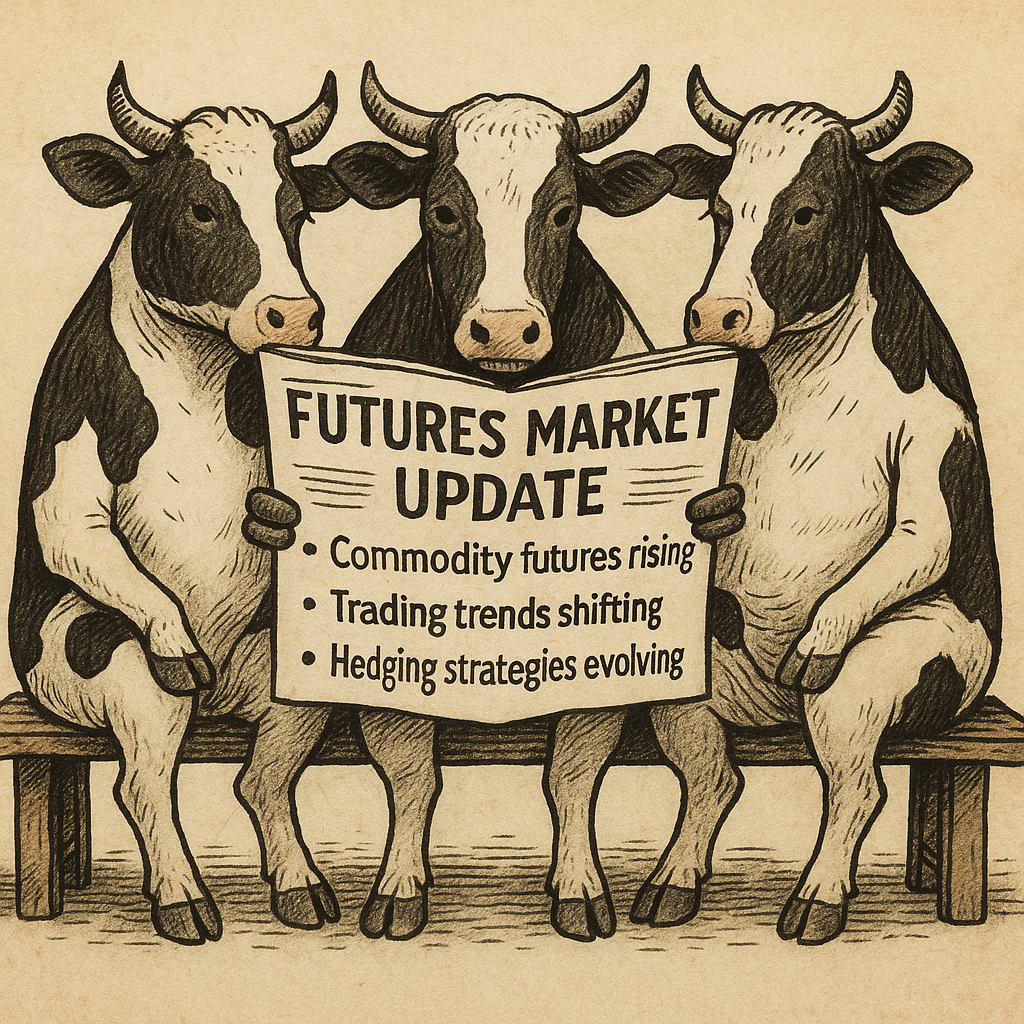
Grain and Feed Costs: Managing the Uncontrollable
Feed remains one of the largest expenses for cattle, hog, and poultry producers—and one of the most difficult to predict. Weather, planting decisions, and exports continue to drive price swings in corn and soy markets.
Many producers are now adopting flexible hedging strategies to manage risk more effectively:
- Monitor feed-to-livestock price ratios to identify the optimal time to lock in prices.
- Use futures or options to cap exposure when feed costs spike.
- Diversify suppliers and feed sources to prevent bottlenecks during periods of high demand.
Actionable takeaway: Even small-scale producers can benefit from simple hedge plans. Work with a broker or risk advisor to design one suited to your herd size and cash flow.

Market Volatility and What’s Driving It
Traders across all asset classes are watching three main forces:
- Interest rates: Higher borrowing costs impact feedlots, processors, and storage operations.
- Energy costs: Rising fuel and fertilizer prices affect everything from feed to freight.
- Global trade: Export demand continues to influence U.S. grain and beef pricing.
Market volatility is here to stay—but it also creates opportunities. With better information and clearer labeling, producers and traders can make more confident decisions.
Actionable takeaway: Regularly review your market exposure. Track both input (feed, fuel) and output (cattle, beef) prices together to spot correlations early.

Key Takeaways
- The USDA’s multi-year beef strategy aims to make ranching more resilient and reduce price swings.
- Labeling reforms and technological innovation will strengthen transparency around pricing and origins.
- Risk management tools are being expanded for both new and experienced producers.
- Volatility isn’t going away—but the right mix of hedging, cost tracking, and policy awareness can turn it into an advantage.
Final Thoughts
The next two years could mark a turning point in how America raises, processes, and prices beef. Whether you’re trading futures, feeding cattle, or managing a ranch, the message is clear: Stay informed, stay flexible, and plan ahead.
By taking small, proactive steps—such as tracking USDA announcements, utilizing the right hedging tools, and preparing for policy deadlines—you can turn uncertainty into opportunity in the evolving world of commodity futures.
📞 Ready to Manage Market Fluctuations?
Whether you’re a producer, trader, or processor, AgOptimus.com can help you navigate uncertainty with practical hedging tools and market insights tailored specifically for the agriculture industry.
👉 Call today Toll Free: (800) 944-3850 Local: (712) 545-0182 to discuss strategies that protect your margins and keep your operation resilient through changing markets.
The information and data referenced in this article are based on publicly available USDA releases and market sources believed to be reliable. However, no guarantee of accuracy or completeness is made. This content is provided for educational and informational purposes only and should not be interpreted as trading or investment advice.
Hedging and trading futures involve substantial risk and may not be suitable for all market participants. Past performance is not necessarily indicative of future results. Always assess your financial situation and consult with a qualified advisor before implementing any risk management strategy.